Part One
The Princeton You May Know
“I have learned to value my own resilience over any unachievable notion of perfection. It is only from trying different study techniques and taking advantage of different class resources such as office hours that I’ve begun to figure out what I need to thrive academically.”
“The challenges, growing pains and learning opportunities at Princeton are limitless. It’s important to afford yourself that breath of fresh air between each one.”
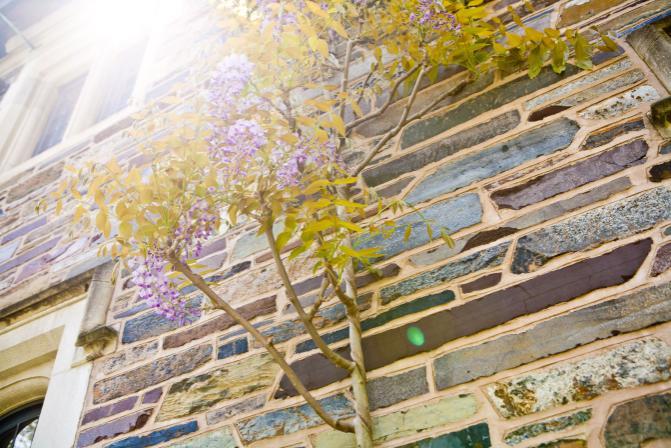
“As someone who is greatly influenced by the environment I am in, I believe there is no other place where you will be able to become the best version of yourself than Princeton.”
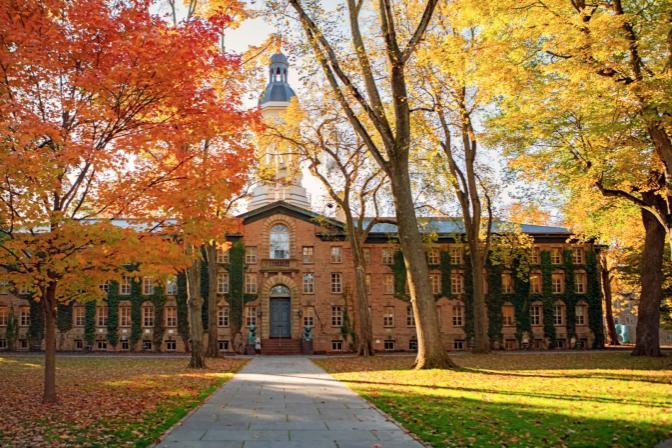
“So far at Princeton ... I have been encouraged to recognize and explore other aspects of myself. Other identities that make me who I am. I stopped chasing this single community where I would feel at home and instead welcomed the idea of belonging through multiple communities and spaces.”
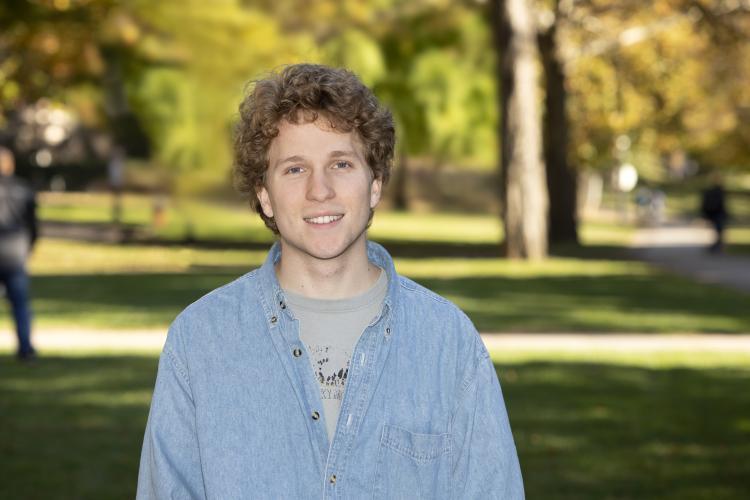
“I thought deeply about myself and my relation to this place called Princeton. ... There is always time to close the textbooks. I carve out time to do this wherever I can — attending talks, screenings or readings ... There is always time to be enriched by other things.”
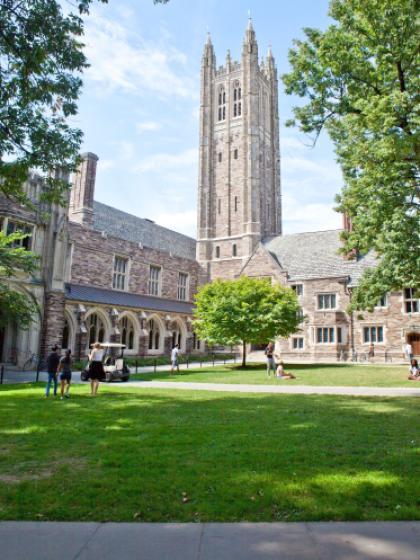
“I chose Princeton in part because ... I wanted to be trained in the knowledge and skills for environmental research, yet I was also seeking a liberal arts education that would guide my decision-making and problem-solving throughout life.”
Part Two
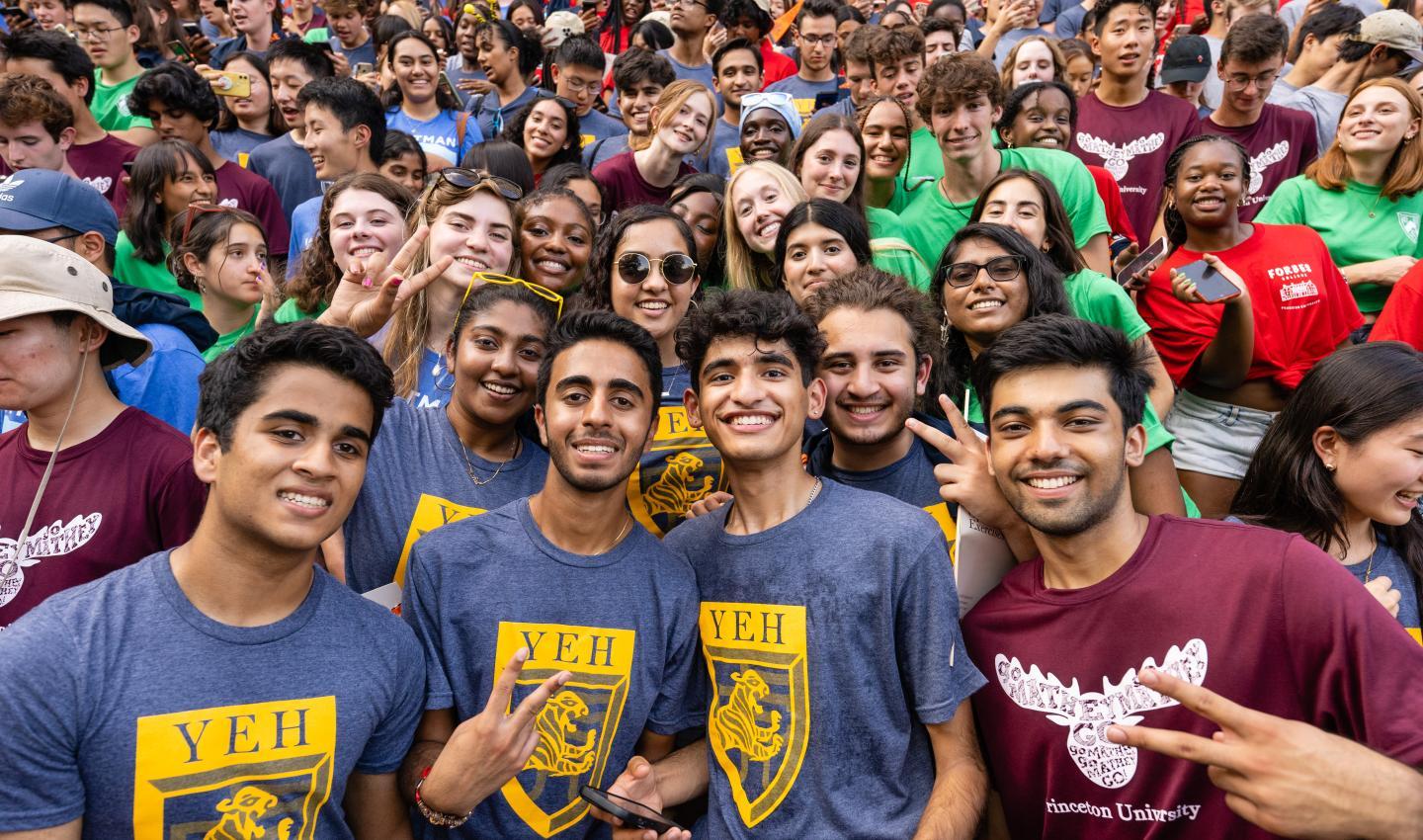
At Princeton, you'll solve problems, uncover deeper meanings and immerse yourself in your passions. The close relationships you'll form with peers, faculty and alumni serve as a foundational network of support in our close-knit community where curiosity and exploration create new waves of discovery.

What does it take to be a leader? Christian Potter ’22 thought about this a fair amount during the last few years. It wasn't until he stepped into the role of president of the Undergraduate Student Government during a pandemic that he truly understood the qualities needed to get the job done. Tune in to learn about Christian’s year of leading, listening and learning.
Tune InLearning and Education Through Service (LENS) ensures that every Princeton undergraduate student has the opportunity to secure a meaningful summer service or social impact internship before graduation. LENS also will help students secure University funding for service internships they find on their own, allowing students to design their own experience with support from the University.
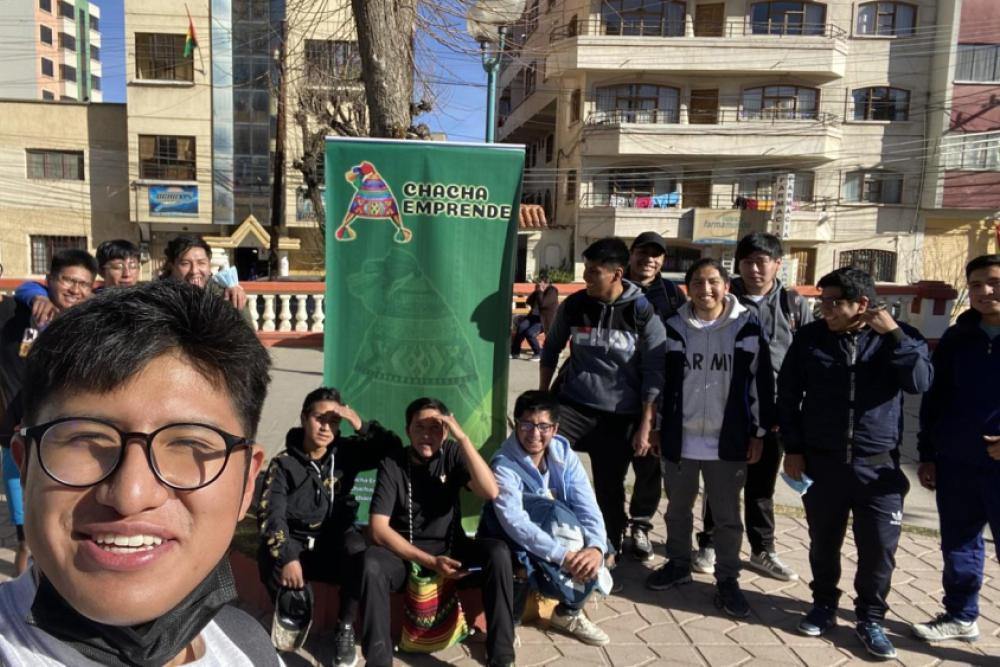
Learning and Education Through Service (LENS) ensures that every Princeton undergraduate student has the opportunity to secure a meaningful summer service or social impact internship before graduation. LENS also will help students secure University funding for service internships they find on their own, allowing students to design their own experience with support from the University.
[The Service Focus cohorts] really offers an informal way to discuss service ideas, while engaging with other members of the Princeton community with similar passions who [students] might not have met on-campus otherwise!
Morgan Smith ’21, a concentrator in the School of Public and International Affairs from the Los Angeles area, shares her story about discovering a love for politics and civic engagement. Morgan talks about the Princeton initiative “Vote100” and the moment she discovered “that Princeton magic.”
Uncover the Princeton MagicVote100 is a campus campaign aspiring for 100% of the student body to engage civically. We want all members of the Princeton community to pledge to participate in all future elections, proving that civic responsibility is a foundational characteristic of what it means to be a Princetonian.

Vote100 is a campus campaign aspiring for 100% of the student body to engage civically. We want all members of the Princeton community to pledge to participate in all future elections, proving that civic responsibility is a foundational characteristic of what it means to be a Princetonian.
Part Three
At Princeton, we’re stronger because of our differences. Students come from all over the country and all around the world and meet in our inclusive, vibrant community where empathetic learning and listening support the perspectives of all students. This is a collaborative community where our divergent opinions bring us together in respectful dialogue, leading us to take action, make change and gain knowledge that takes us in a whole new direction.
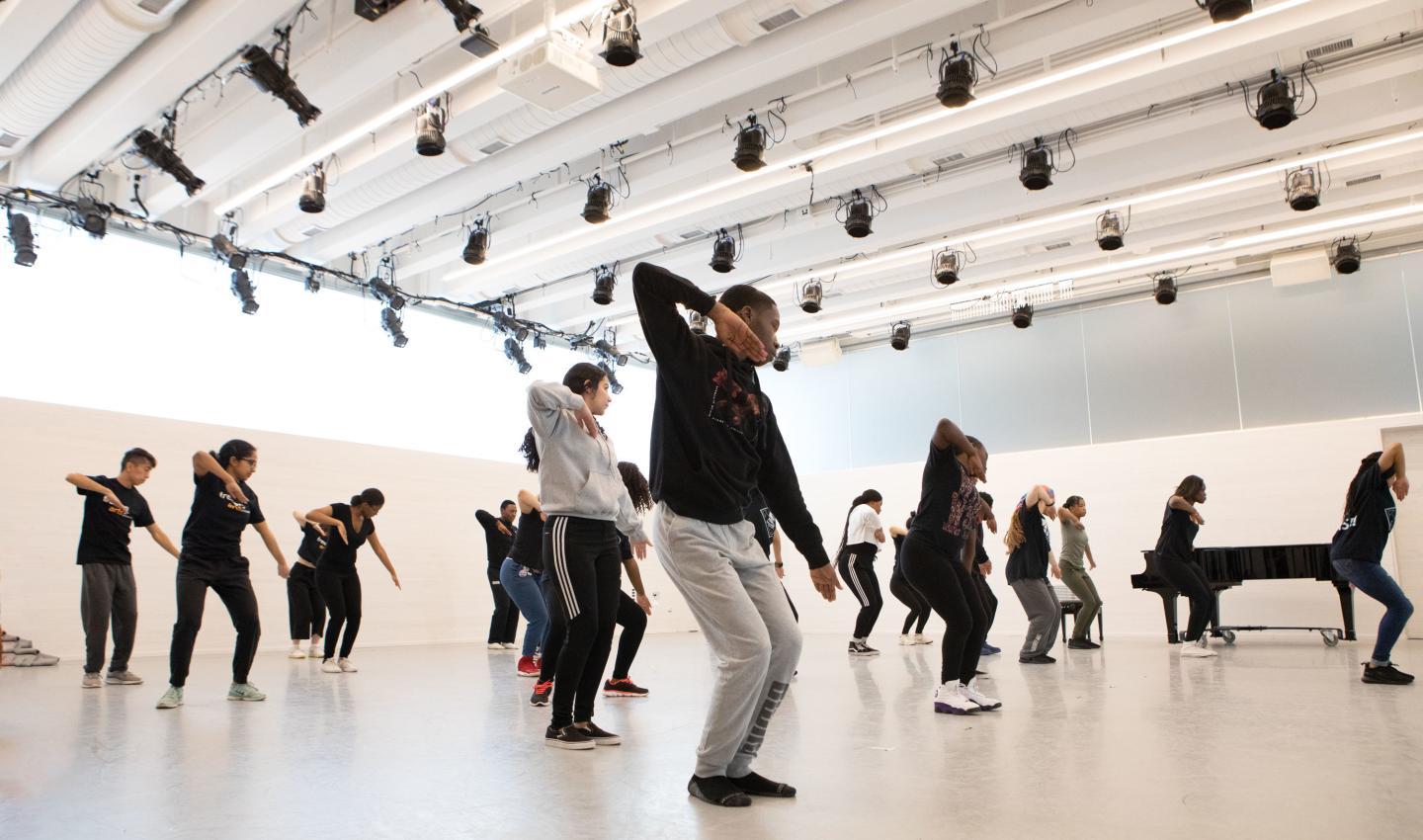
We believe that meaningful learning doesn’t only happen inside the classroom, but in the dorm room, on the athletic field and through the relationships students form with their peers and professors. We establish connections that go beyond any class reunion, and our liberal arts curriculum enhances this experiential learning by allowing students to discover, uncover, unpack, embrace and enhance their learning. With the freedom to explore across academic disciplines, students learn to think broadly and tackle tough problems to find deeper meanings and more impactful solutions.
Gabriel Duguay ’22 discusses community on campus from student-run clubs to a meal with friends in one of the residential college dining halls. In addition to participating in the Princeton debate panel and the Princeton University Band, Gab, a native of Truro, Nova Scotia, Canada, is the founder of the Princeton Indigenous Advocacy Coalition and serves as a member of the Provost’s Priorities Committee.
Community on CampusPrinceton is a community made stronger by our differences and a world where diverging opinions are welcomed, respected and engaged. We embrace diversity in all its forms, and fundamental to our beliefs is that we all have unique perspectives, identities and experiences to offer in our close-knit and inclusive community.
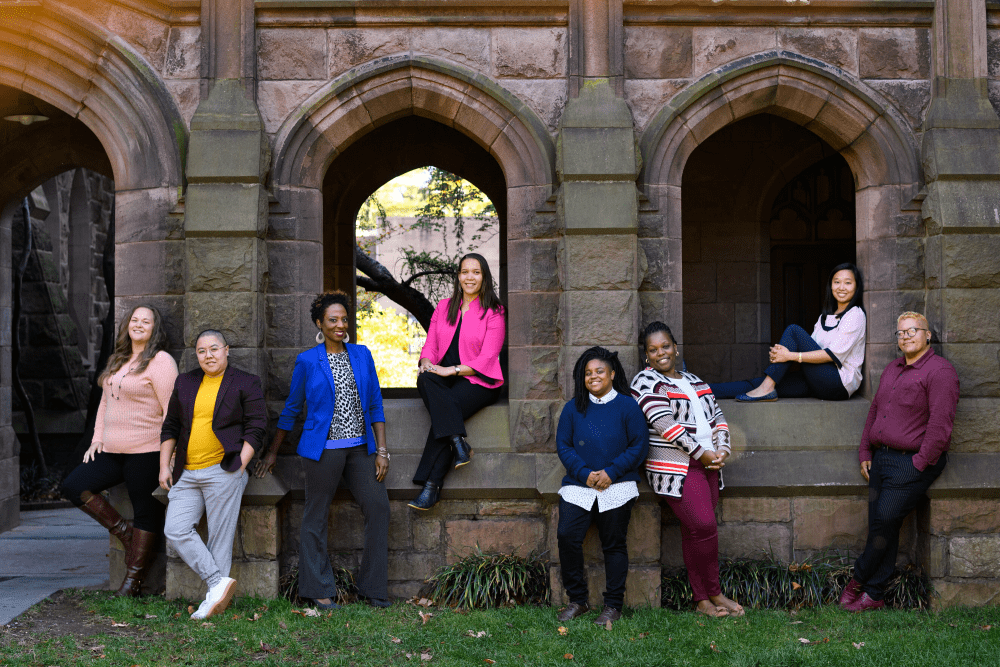
Princeton is a community made stronger by our differences and a world where diverging opinions are welcomed, respected and engaged. We embrace diversity in all its forms, and fundamental to our beliefs is that we all have unique perspectives, identities and experiences to offer in our close-knit and inclusive community.
A genuine dedication to excellence requires meaningful commitments to diversity, equity and inclusion. At a University that aims to make a difference through bold bets on human talent, we need to make sure that we find talent everywhere it exists and that we bring together people of many groups and identities and enable all of those people to thrive here.

Gil Joseph ’25 writes about finding community at Princeton and how he has welcomed the idea of belonging to multiple communities and spaces.
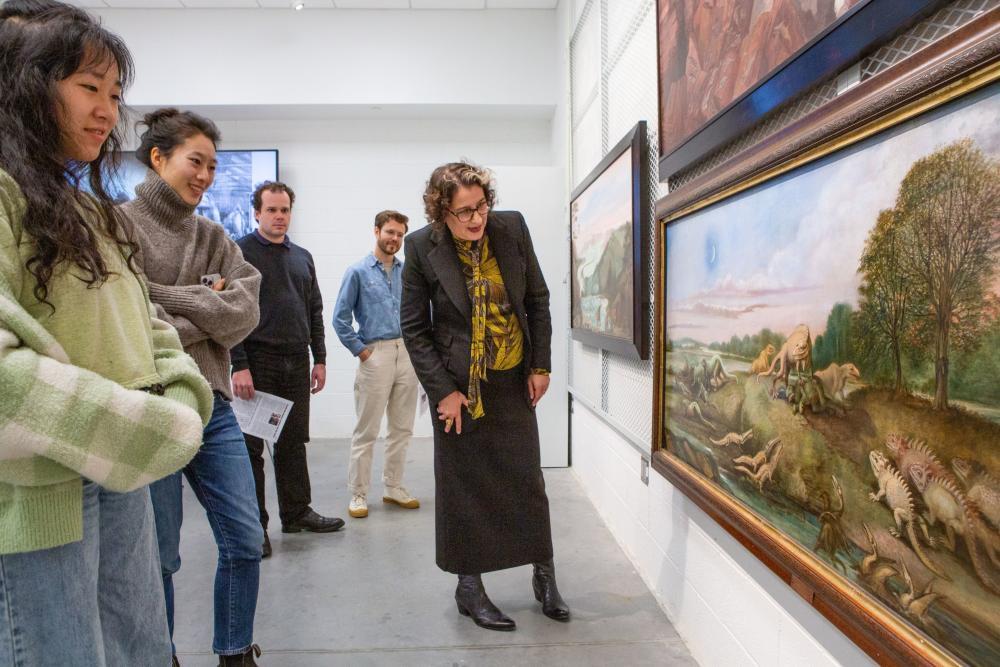
Uncover More Than One CommunityOur liberal arts curriculum emphasizes learning across all disciplines with creativity, innovation and collaboration in the humanities, arts and sciences. Students go beyond the learning of who, what and when to examine the how and why. In this way, they discover new interests on a much greater and personal level.
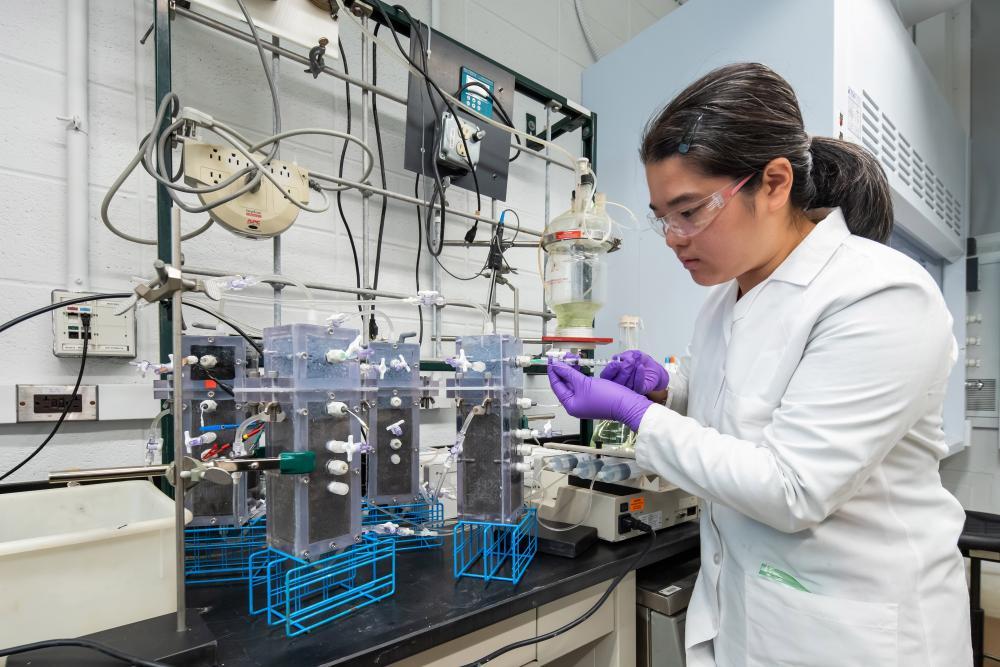
Liberal Arts At Princeton
Our liberal arts curriculum emphasizes learning across all disciplines with creativity, innovation and collaboration in the humanities, arts and sciences. Students go beyond the learning of who, what and when to examine the how and why. In this way, they discover new interests on a much greater and personal level.
Liberal Arts At PrincetonPart Four
While Princetonians may walk through FitzRandolph Gate after graduation, Princeton stays with them for life. Alumni say the most valuable thing they learned at Princeton was how to learn, how to think critically, question their assumptions and develop innovative ideas of their own. In practical terms, our Center for Career Development helps students to evaluate their strengths and participate in experiential opportunities to begin to build a professional network. In these ways, students are well prepared to pursue positions of leadership and a life of service to the nation and all of humanity.
Princeton Class of 2019 graduate Jordan Salama wrote his senior thesis about the people and places along Colombia’s main river, the Magdalena. After graduation, he expanded his thesis into the celebrated nonfiction book “Every Day the River Changes: Four Weeks Down the Magdalena,” which has been selected as this year’s Pre-read. The book will inspire first-year students to imagine the many ways to pursue their passions while at Princeton. He is interviewed by admission officer and classmate Emma Parish of the Class of 2021.
Learn About Jordan’s JourneyThe John H. Pace, Jr. ’39 Center for Civic Engagement prepares students to serve well by making meaningful connections through learning, experience and reflection — connections that create a strong foundation for understanding what it means to be an engaged citizen. In doing so, we believe that Princeton University students will make the world more equitable, creating access and opportunity for all people and communities to thrive.
The John H. Pace, Jr. ’39 Center for Civic Engagement prepares students to serve well by making meaningful connections through learning, experience and reflection — connections that create a strong foundation for understanding what it means to be an engaged citizen. In doing so, we believe that Princeton University students will make the world more equitable, creating access and opportunity for all people and communities to thrive.
As a member of Princeton’s first transfer cohort since the ’90s, Daniela Alvarez ’21 reflects on her time at Princeton and how she’s gained many skills and perspectives that have helped to inform her plans after graduation.
Take the Next StepPrinceternships are a unique chance to get insight into a career of interest through one or more Princeton alumni. My Princeternship taught me about a specialty that I knew almost nothing about and gave me an appreciation for medical labs and the technicians, chemists, engineers and pathologists who make it possible for us to analyze specimens and thereby understand illnesses much better.
The Center for Career Development empowers students to develop the insights, experience and connections to pursue personally meaningful careers throughout their lives.
Part Five
Additionally, our academic curriculum teaches you to think critically, question your assumptions and develop innovative ideas of your own. Students at Princeton experience and navigate the world through programs that allow them to study and do internships abroad, speak other languages and develop a broader perspective on a wide range of issues — everything from politics to food to health care and more. Through these experiences, students create their own life maps and are ready to embrace and contribute to the world beyond Princeton. And while you're busy uncovering campus, we have you covered financially -- meeting 100% of your family's need.
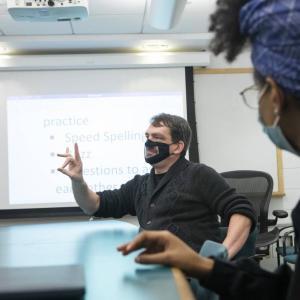
Naomi Hess ’22 explains how undergraduates will now be able to fulfill the University’s language requirement with American Sign Language (ASL). The ASL classes, sponsored by the Program in Linguistics, are part of an expanded focus on disability, accessibility and inclusion across the University, including Princeton’s physical campus and digital assets, services and programs for students, and new academic programs.
Accessible PrincetonA land acknowledgment marker and memorial garden, an Indigenous student affinity space, and a fall seminar series welcoming leading Indigenous scholars, artists and activists to campus are among several new programs and initiatives at Princeton University honoring and acknowledging local and international Indigenous communities.
A land acknowledgment marker and memorial garden, an Indigenous student affinity space, and a fall seminar series welcoming leading Indigenous scholars, artists and activists to campus are among several new programs and initiatives at Princeton University honoring and acknowledging local and international Indigenous communities.
Our trip to [Newark Immigration Court] was not only an opportunity to build community with the class outside of a seminar-style setting, but also a chance to engage with the community outside of Princeton and gain an insight into the sort of impact that our work may have. I believe this is something that is beautifully unique to Princeton, and I cannot describe the gratitude I feel for these sorts of opportunities to allow our classwork to reach beyond the classroom walls.

From a suburb of Detroit to India and from Morristown, New Jersey, to Senegal, Leila Owens and Nicole Williams — both Class of 2023 — tell us about their amazing experiences abroad, teaching and working with an nongovernmental organization, about favorite foods, changing perspectives and how they transitioned back to campus at Princeton.
Service AbroadPart Six
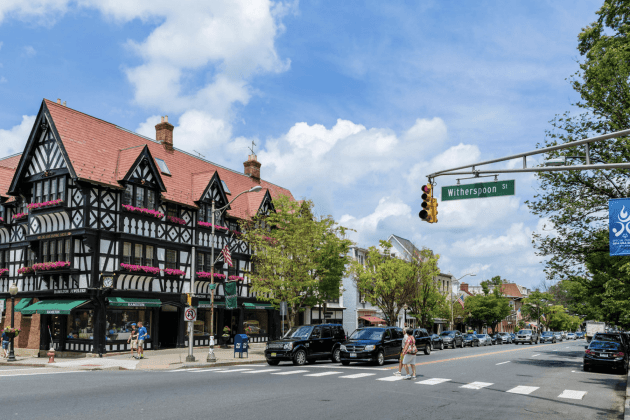
New Jersey is known for its tomato pies and salt water taffy, but it has much more to offer beyond its culinary specialties. We are a lively and welcoming community. Though we may debate the exact location (or even existence) of “Central Jersey” or which beach is best along the Jersey Shore, one thing we all agree on is that New Jersey is a fantastic place to live and learn.
Students enjoy the close-knit community of campus with the vibrancy of downtown Princeton just across the street. Plus, New York City and Philadelphia are easily accessible via the "Dinky" train station on the edge of campus.
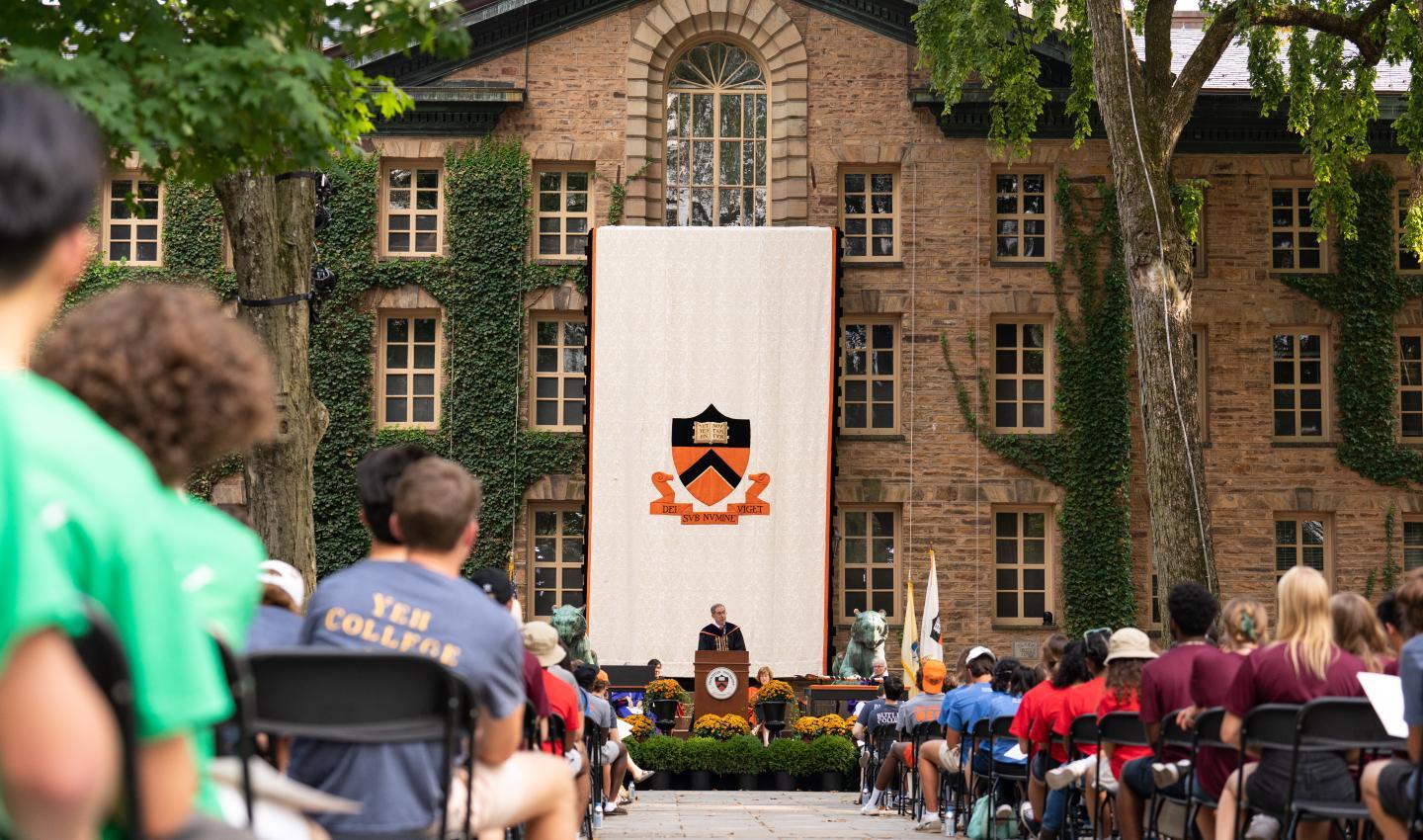
The land on which the University stands is part of the ancient homeland and traditional territory of the Lenape people. We pay respect to Lenape peoples, past, present and future and their continuing presence in the homeland and throughout the Lenape diaspora.
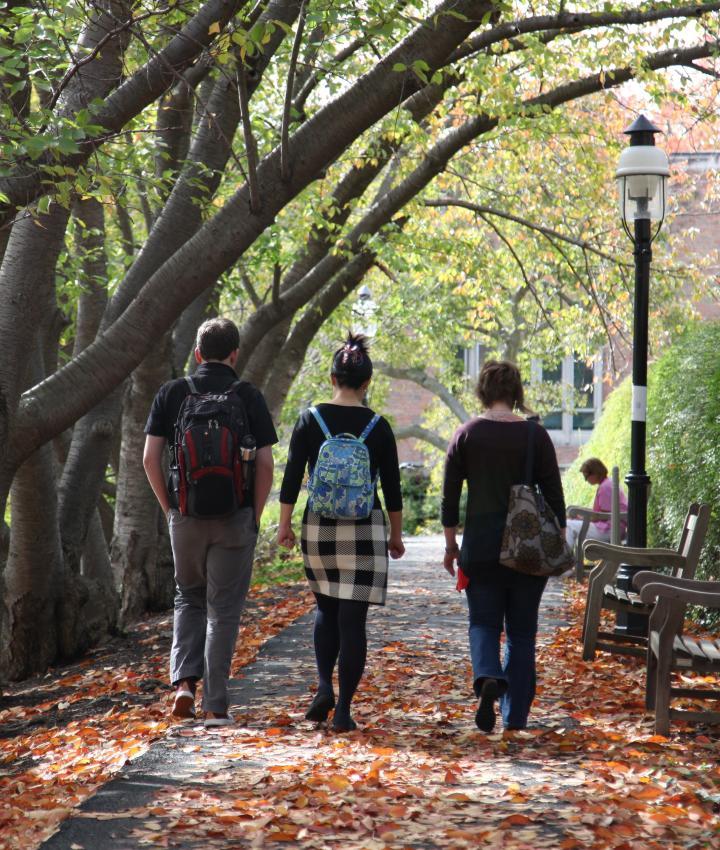
Princeton’s residential college system provides students not simply with housing and dining options, but advising and other resources to assist them in taking advantage of all that Princeton has to offer. While all first- and second-year students are required to live in one of the seven residential colleges, juniors and seniors have additional options for housing and dining. Regardless of where they choose to live, upperclassmen retain a link to a residential college, and interaction among all class years is encouraged.
Princeton’s small campus allows my mental geography to map onto a real place. I walk everywhere I need to go, which helps me grow my map visually... But the physicality of places here is something that I try to celebrate every day.
Every residential college has a full-time staff, including a dean and a director of student life. The dean oversees all students’ academic progress, coordinates faculty and peer academic advising, and provides individual academic advising and support to all students in the college. The assistant dean for student life is responsible for counseling students on nonacademic matters and supporting students’ well-being as individuals and in community. The director also supervises and works with the residential college advisers.
Eight bloggers telescoped the word ‘community.’ What’s telescoping? Start with a large word count and work our way down to just one word. The first blogger writes close to 250 words, the next around 200, the third around 150 and so on ... until you reach just one word.
What’s the word?Part Seven
At Princeton, our curriculum challenges students to step outside their comfort zone and experience new academic pathways they might not have considered before.
Our liberal arts curriculum is organized so that you can construct your own academic journey and dig deeper into a variety of subject areas, without ever going at it alone. The choice is yours, and you’ll have the time and freedom to decide. With 37 concentrations (majors) and 54 certificates and minors in two degree programs, Bachelor of Arts (A.B.) and Bachelor of Science in Engineering (B.S.E), students research a thesis in their senior year with a faculty mentor and uncover and embrace meaningful new interests along the way.
Our curriculum encourages students to explore many disciplines and to develop a deep understanding in one area of concentration. The freshman seminars and the precept system are two defining components of a Princeton education. Limited to 15 students and led by some of our most distinguished professors, approximately 70 freshman seminars are offered yearly, each hosted in our residential colleges. Whether they are in the A.B. program or the B.S.E. program, all students conduct independent research in their home department during their junior and senior years, culminating in the senior thesis while working one-on-one with a faculty mentor.
Degrees & Departments
Our curriculum encourages students to explore many disciplines and to develop a deep understanding in one area of concentration. The freshman seminars and the precept system are two defining components of a Princeton education. Limited to 15 students and led by some of our most distinguished professors, approximately 70 freshman seminars are offered yearly, each hosted in our residential colleges. Whether they are in the A.B. program or the B.S.E. program, all students conduct independent research in their home department during their junior and senior years, culminating in the senior thesis while working one-on-one with a faculty mentor.
Degrees & DepartmentsPrinceton’s liberal arts education prepares me to be a creative and dynamic problem-solver, which I hope will allow me to have the greatest positive impact I can have in the world.
The Study Abroad Program provides guidance for Princeton undergraduates who wish to study for academic credit at a foreign institution during the semester, academic year or summer. Our team of study abroad advisers is here to help you find a program that best fits your academic interests and goals, while providing support from the time you leave campus until you return. Study abroad is open to all majors, and destinations include more than 100 programs in over 40 countries.
Intern & Study Abroad Opportunities Novogratz Bridge Year Program
All first-year students are assigned a faculty adviser who will introduce you to academic life at Princeton, support your exploration of the curriculum, assist with the selection of courses and eventually help you decide on a concentration. First-year students also find advising support in their residential college community, which will continue to support you throughout your four years at Princeton. Many academic support services are available free for students, including the Writing Center, which offers one-on-one tutorials, and the McGraw Center for Teaching and Learning, which provides study halls and peer tutoring in select courses and organizes study skill and time management workshops.
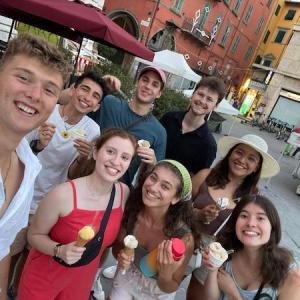
Ian Fridman '25 shares summer adventures studying abroad at Scuola Normale Superiore in Italy through Princeton in Pisa.
Princeton in PisaThe Emma Bloomberg Center for Access and Opportunity advances Princeton's commitment to an inclusive student body. Our programs are designed to provide all students, including those from first-generation, low-income and underrepresented backgrounds, with the mentorship, academic enrichment and community that they need to thrive at Princeton. They also empower students to successfully navigate the University’s many resources to achieve their professional, personal and scholarly goals, and to become active leaders on campus and in the larger world.
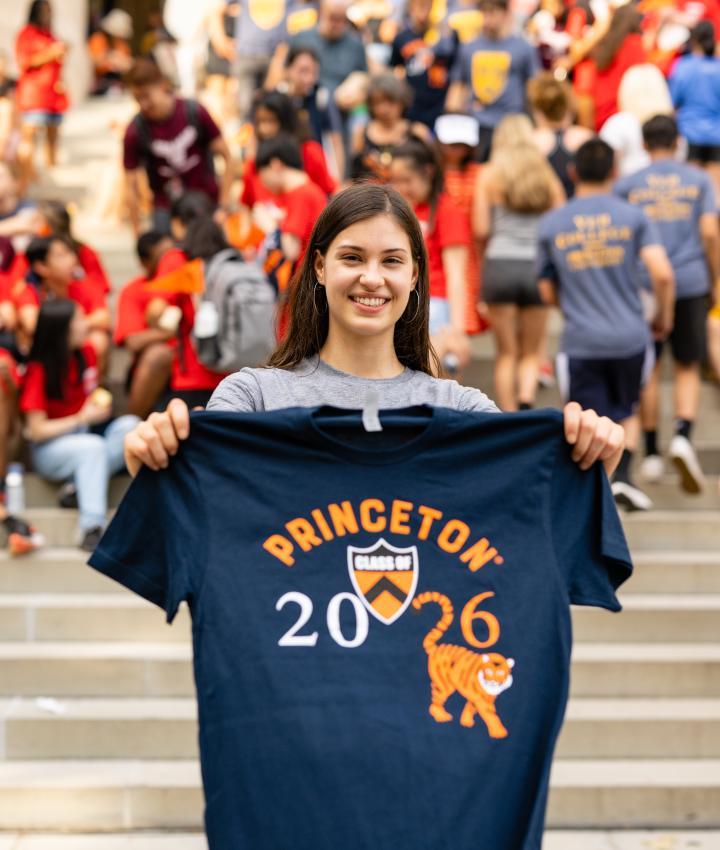
The Emma Bloomberg Center for Access and Opportunity advances Princeton's commitment to an inclusive student body. Our programs are designed to provide all students, including those from first-generation, low-income and underrepresented backgrounds, with the mentorship, academic enrichment and community that they need to thrive at Princeton. They also empower students to successfully navigate the University’s many resources to achieve their professional, personal and scholarly goals, and to become active leaders on campus and in the larger world.
Part Eight
Princeton is more than just an idea. It is a real, attainable and affordable place.
You can graduate from Princeton with little to no debt because we will meet 100% of your demonstrated need. Our no-loan financial aid policy replaces student loans with grants that students do not pay back. Beginning in fall 2023, most families earning up to $100,000 a year will pay nothing.
Our groundbreaking aid program is designed to encourage all qualified students to consider applying to Princeton because we don't want your ability to pay for college to get in the way of your dreams after college.
So … why Princeton? I think the answer would be all of the opportunities I’ve been able to experience because of the way Princeton approaches financial aid.
If offered admission, Princeton will meet 100% of your demonstrated financial need with grant aid. In fact, Princeton is often less expensive than your state college or university.
About our Aid Program Estimate Your Financial Aid Video: Financial Aid at Princeton, with Josiah Gouker ’22
If offered admission, Princeton will meet 100% of your demonstrated financial need with grant aid. In fact, Princeton is often less expensive than your state college or university.
About our Aid Program Estimate Your Financial Aid Video: Financial Aid at Princeton, with Josiah Gouker ’22