


Recommended Course of Study
This is not a list of admission requirements. We understand that not all secondary schools offer the same academic opportunities, and we give full consideration to students who don’t have access to all of these courses.
If possible, we expect students will complete the following courses before beginning study at Princeton:
- Four years of English (including continued practice in writing).
- Four years of mathematics (including calculus for students interested in engineering).
- Four years of one language.
- At least two years of laboratory science (including physics and chemistry for students interested in engineering).
- At least two years of history.
In addition, most candidates have had some study in the visual or performing arts.
Whenever you can, challenge yourself with the most rigorous courses possible, such as honors, Advanced Placement (AP) and dual-enrollment courses. We will evaluate the International Baccalaureate (IB), A-levels or another diploma in the context of the program’s curriculum.
Consult your school adviser or counselor to plan a program to help you succeed at whatever college or university you attend.
Advanced Placement Policy
If you are taking advanced or college-level courses in high school, you might be able to take advantage of Princeton’s advanced placement policy. The policy allows you to be placed in courses that match your level of preparation and, in some cases, may allow you to skip introductory courses and proceed to upper-division course work. Advanced placement can be earned through both outside exams and internal placement tests.
The Advanced Placement Credit Reference Table lists the credit and placement recommendations of academic departments, which award advanced placement credit. The credit and placement policies described apply to Advanced Placement (AP), IB, A-level, and SAT subject scores.
You can find detailed information about Princeton’s Advanced Placement policy on the Academic Advising website.
Joint Ivy Statement on Admission Policies
The eight Ivy League institutions have jointly agreed on admission policies, which are enumerated in the Joint Statement for Candidates on Common Ivy Admission Procedure.
Read More
Joint Ivy Statement on Admission Policies
The eight Ivy League institutions have jointly agreed on admission policies, which are enumerated in the Joint Statement for Candidates on Common Ivy Admission Procedure.
Read MoreDegrees & Departments
Once enrolled, students may pursue either the Bachelor of Arts (A.B.) or the Bachelor of Science in Engineering (B.S.E.) degree. Within these degree programs, students can choose from among 37 majors (computer science offers both A.B. and B.S.E.) and over 50 minors or certificate programs.
Review
Degrees & Departments
Once enrolled, students may pursue either the Bachelor of Arts (A.B.) or the Bachelor of Science in Engineering (B.S.E.) degree. Within these degree programs, students can choose from among 37 majors (computer science offers both A.B. and B.S.E.) and over 50 minors or certificate programs.
ReviewAdmission Information For:
First-year Students
During the admission process, our goal is to find students who will thrive in Princeton’s rigorous academic environment.
Application Dates & Deadlines Application Checklist Standardized Testing Application Tips
QuestBridge Students
Princeton is committed to providing a top-quality education to students from a wide range of socioeconomic backgrounds. Since 2006, our partnership with QuestBridge allows us to reaffirm that mission and assist students who may have not previously considered Princeton as an option for an affordable education.
Information For QuestBridge Applicants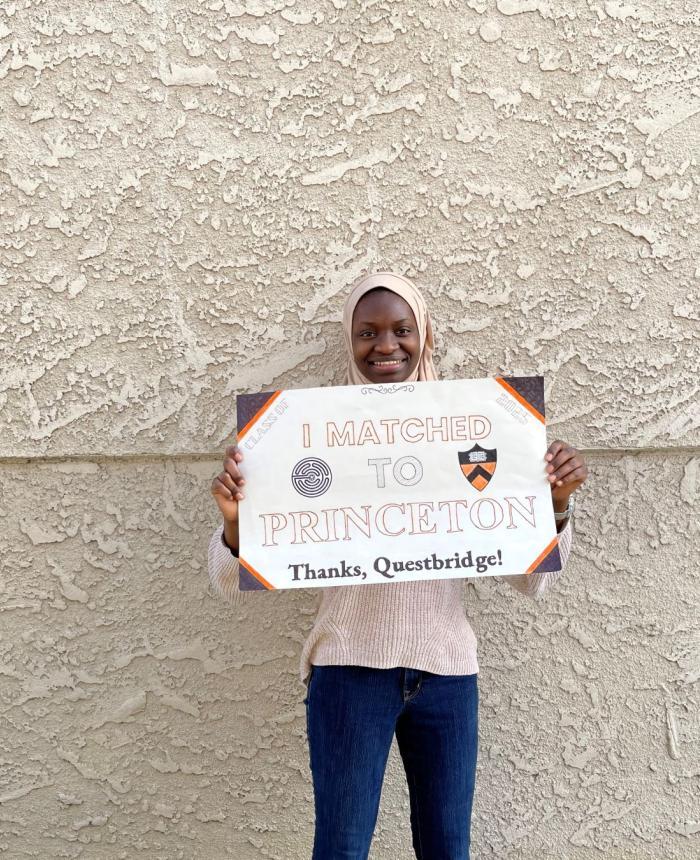
International Students
Princeton welcomes applications from students around the world. We review all applications in the same manner, regardless of citizenship or country of residence.
Information for International Students Application Checklist Need-Based Financial Aid Program Davis International Center
Undocumented or DACA Students
The University is committed to supporting undocumented and DACA students. Princeton’s admission and financial aid policies are the same for undocumented or DACA students as they are for all other students applying to the University. If admitted, undocumented students can be confident that their full financial need, as determined by the Undergraduate Financial Aid Office, will be met.
Information for DACA or Undocumented Students Need-Based Financial Aid Program DACA Advising and Resources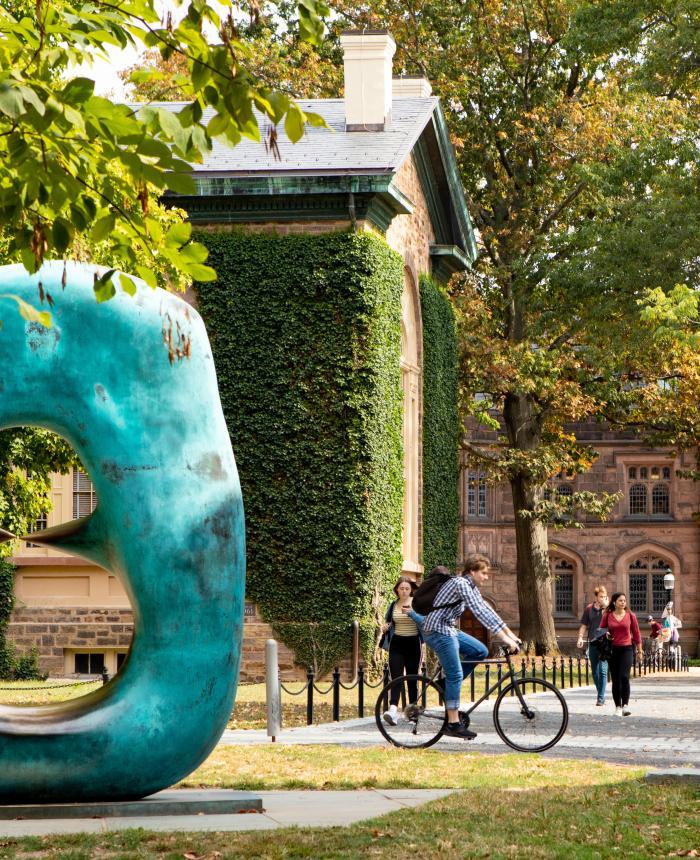
U.S Military Applicants
During the admission process, our goal is to find students who will thrive in Princeton’s rigorous academic environment.
Information for U.S. Military Applicants Need-Based Financial Aid Transfer Eligibility Yellow Ribbon Program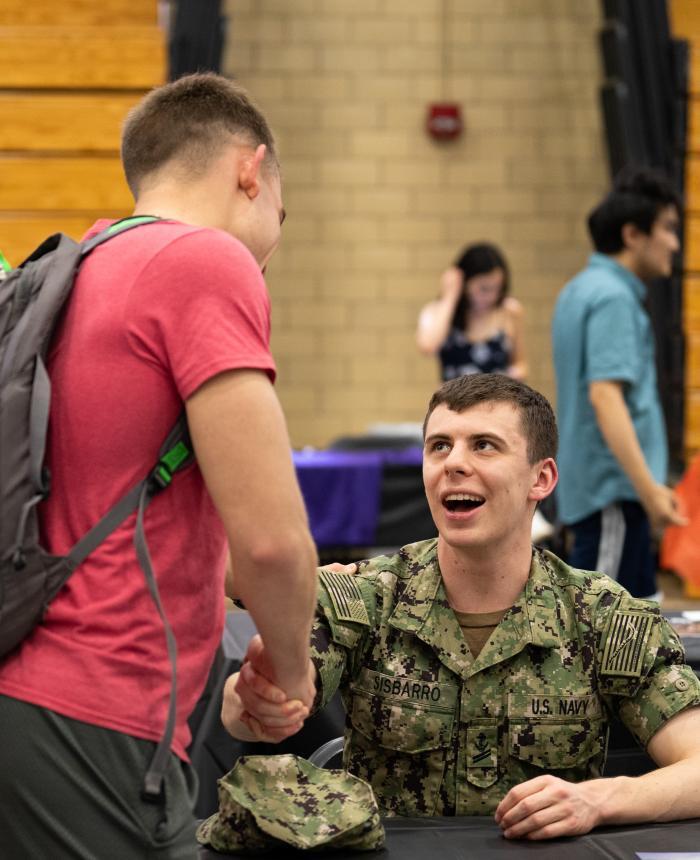
Home-schooled Students
Princeton welcomes applications from home-schooled students. Although they still make up a very small portion of the applicant pool, applications from home-schooled students have been increasing. We recognize that your experience as a home-schooled student will be somewhat different from students in traditional schools.
Information for Home-Schooled Students Academic Preparation Application Checklist Application Tips
Transfer Students
Princeton's Transfer Program looks for a small group of exceptionally well-prepared students from a range of backgrounds, and we particularly encourage applications from students from lower-income backgrounds, community college students, and U.S. military veterans.
Information For Transfer Students Transfer Application Dates & Deadlines Application Checklist Princeton Transfer Supplement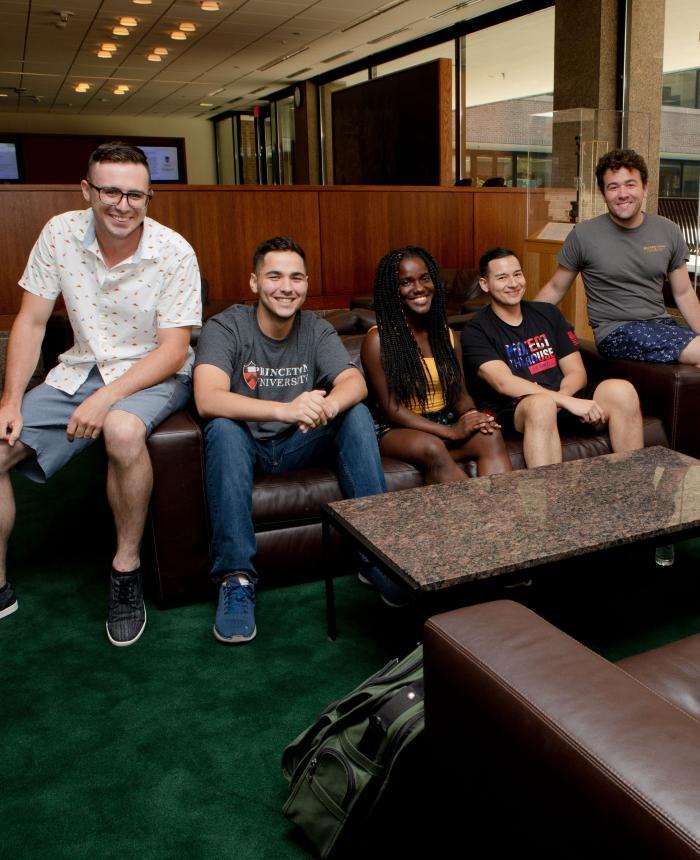
Featured Blogs & Podcasts
BLOG: “‘Música, Maestro!’ A Semester of Musical Exploration with Sinfonia”
BLOG: “‘Música, Maestro!’ A Semester of Musical Exploration with Sinfonia”
“Before coming to Princeton, I was worried about the uncertainty of my musical journey after high-school. Would I be able to take lessons? Would I definitely need to abandon music? These questions didn’t stop me from bringing my beloved flute to campus though”
BLOG: “Are Princeton Students Competitive?"
BLOG: “Are Princeton Students Competitive?"
Blogger Ive Jones writes about her own competitive drive and her assumptions about the Princeton community during her first few weeks of class.
BLOG: “Is the Princeton Workload Too Much for Me?”
BLOG: “Is the Princeton Workload Too Much for Me?”
Blogger Grace Masback reflects on the academic transition from high school to Princeton during her first-year on campus.
BLOG: “The Do's and Don'ts of First-year Life”
BLOG: “The Do's and Don'ts of First-year Life”
Blogger Patrice McGivney outlines her recommendations for the do's and don'ts to look out for during your first year on Princeton's campus.