


When Princeton students enroll in the first-year seminars “Chemistry of Magic,” “Art as Science/Science as Art” or “The Evolution of Language,” they experience what lies at the foundation of a Princeton education — intellectual inquiry.
Each year, approximately 75 first-year seminars are offered to new students on a wide range of topics. The students’ main responsibility is to think deeply about the material and bring their ideas to the table.
The First-Year Seminar
You're at the start of an academic journey. The Princeton courses you take over the next four years will lead you into all sorts of directions: you'll encounter new fields of knowledge, discover new ideas, and, above all, experience the adventure of learning.
There is perhaps no better way to begin that journey than by taking a First-Year Seminar.
Each first-year seminar is limited to 15 students and is developed and taught by a member of Princeton’s renowned faculty, whose main role is to serve as a facilitator of ideas. Seminars are also hosted by a residential college, which means that discussions started in the classroom can continue over meals or in other informal settings.
Class discussions dictate their own direction, and students are encouraged to argue, get inspired and be passionate. Both students and professors consistently cite freshman seminars as among their finest academic experiences at Princeton.
Each semester brings new seminars to choose from, often with close ties to current events. Popular seminars in recent semesters have been:
- Active Geological Processes: During a weeklong trip to the Sierra Nevada, students in this seminar observe changes in the Earth’s surface firsthand. Class meetings help students prepare for the trip and, afterward, provide a venue for presenting their findings and interpretations.
- Life on Mars — Or Maybe Not: Following the thrill of a scientific discovery comes the difficulty of presenting it to the public. This seminar poses the question, “How reliable is science news?” and looks to understand the science behind news reports, the factors that shape media coverage and ways in which that coverage tends to distort the findings.
- Cultural Revolutions of the 1960s: From literature and comedy to journalism and war, this course surveys the upheaval of the 1960s, examines the major figures who acted as catalysts and traces their impact through the decades that followed.
- Ethics in Everyday Life: Students are challenged to examine their values — and express them — in this seminar, while focusing on the ethical issues surrounding food, money, personal relationships, meaning and purpose, and the self.
- Polarized America: Ideology, Inequality and American Democracy: Drawing on political science, history, economics and sociology, this seminar looks beyond the red state/blue state rhetoric to reveal more significant factors contributing to today’s sociopolitical climate.
- Underworlds: Students in this course journey to underworlds as old as the eighth century B.C.E. and as recent as the 21st century — from Homer’s "Odyssey" to "The Sopranos" — at the same time, examining the role of the underworld in epic literature and related cultural traditions.
The Precept System
Most classes at Princeton are small. The ratio of students to faculty is 5 to 1, and even lecture courses average just 30 to 40 students. This means that at Princeton, no one gets lost in the crowd.
Students have the opportunity to engage their classmates and course materials even more closely in precepts, which are small discussion groups that meet weekly to further explore the readings and topics of a particular course. The precept provides an open forum in which students are encouraged to voice their opinions and challenge those of their peers.
The precept is a defining component of a Princeton education. Loosely based on the tutorial systems of the University of Oxford and the University of Cambridge, it was introduced by Princeton University President Woodrow Wilson in 1905 as a way for students to engage actively in their learning process.
Precepts may be led by the professor who teaches the course, by other faculty members or by advanced graduate students. Students have the opportunity to meet with a professor during regular office hours to bring up questions and ideas one-on-one.
First-Year Seminar Program
There is perhaps no better way to begin your journey at Princeton than by taking a first-year seminar. Open only to members of the first-year class, the program is designed to provide students an early opportunity to experience the excitement of working closely with an instructor and a small group of fellow students on a topic of special interest.
Explore the Program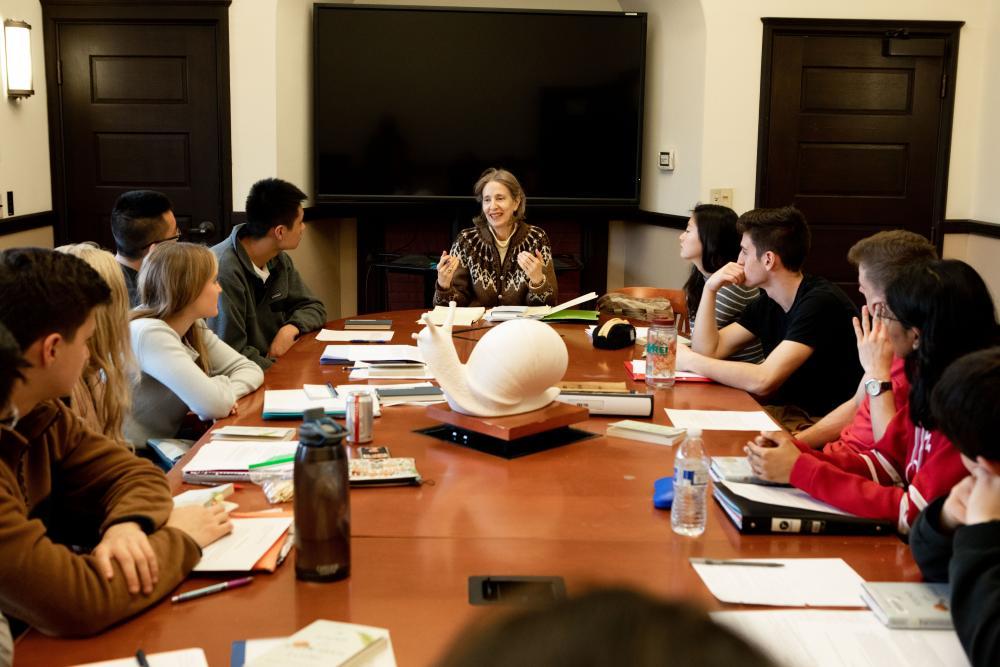
First-Year Seminar Program
There is perhaps no better way to begin your journey at Princeton than by taking a first-year seminar. Open only to members of the first-year class, the program is designed to provide students an early opportunity to experience the excitement of working closely with an instructor and a small group of fellow students on a topic of special interest.
Explore the ProgramFirst-Year Seminar: “The Science of Mythbusters”
Biophysics professor Joshua Shaevitz’s students become myth busters in a first-year seminar inspired by the popular show.
Watch the Video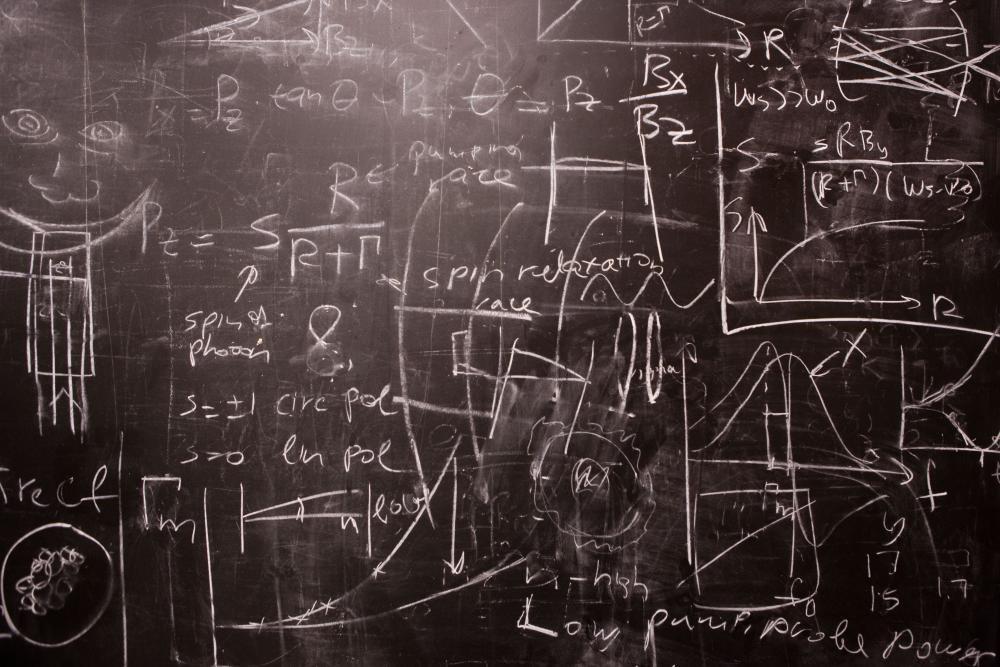
First-Year Seminar: “The Science of Mythbusters”
Biophysics professor Joshua Shaevitz’s students become myth busters in a first-year seminar inspired by the popular show.
Watch the VideoFirst-Year Seminar: “Silence, Noise, Sound and Music”
Music professor Barbara White leads a freshman seminar dealing with the elusiveness of quiet and blurring boundaries between everyday life and art.
Watch the Video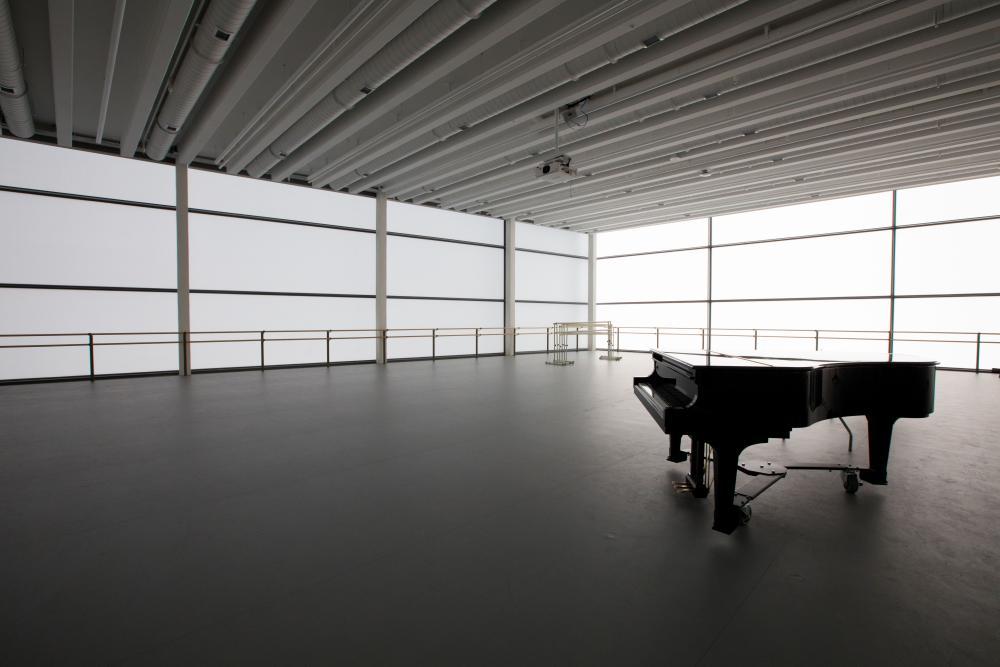
First-Year Seminar: “Silence, Noise, Sound and Music”
Music professor Barbara White leads a freshman seminar dealing with the elusiveness of quiet and blurring boundaries between everyday life and art.
Watch the Video